 Anheften
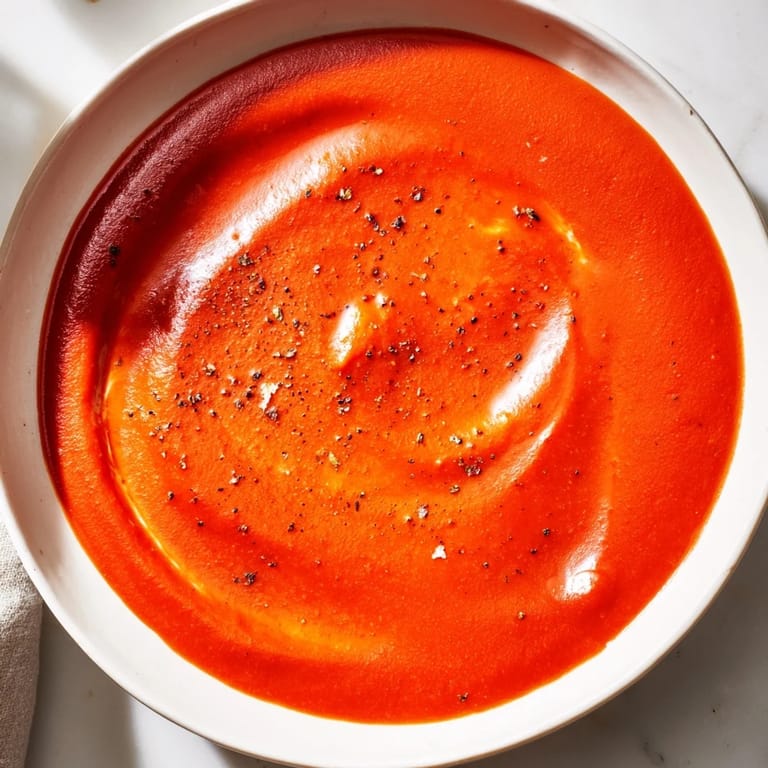
 I discovered this sauce by accident one Tuesday night when I had exactly ten minutes before guests arrived and zero energy for cooking. My daughter was running late from school, the kitchen was cold, and I had nothing but a can of tomato sauce and a stick of butter in my fridge. I melted the butter into that sauce on a whim, added garlic powder because it was right there, and something magical happened—suddenly I had this silky, restaurant-quality marinara that tasted like I'd been simmering it for hours. Now it's my secret weapon whenever time vanishes or inspiration does.
I made this for my book club once when I volunteered to bring appetizers and then completely forgot until the morning of the meeting. I spread it on crostini with a little mozzarella, and someone actually asked for the recipe thinking I'd bought it from an Italian restaurant. The best part was pretending I had some mystical cooking technique when really I'd just opened a jar and added butter like a reasonable person running on four hours of sleep.
Ingredients
- Tomato sauce (2 cups): Plain and unsalted is your friend here—the butter and seasoning do all the heavy lifting, so you want a clean canvas, not something already loaded with salt that'll surprise you mid-cook.
- Unsalted butter (3 tablespoons): This is where the magic happens, where the sauce goes from thin and sharp to velvety and almost luxurious; use real butter, not the margarine your mom kept in 1987.
- Garlic powder (1 teaspoon): Fresh garlic would be amazing, but garlic powder dissolves instantly and doesn't leave you with chunks if you're in a hurry—it's honest about what it is.
- Salt (½ teaspoon) and black pepper (¼ teaspoon): Taste as you go because every tomato sauce has a different baseline salt level and you don't want to end up with something that tastes like the ocean.
- Heavy cream (1 tablespoon, optional): This is the sneaky addition that pushes it from good to absolutely craveable, turning a basic sauce into something that coats your tongue.
- Dried Italian herbs (1 teaspoon, optional): Basil and oregano round out the flavors if your tomato sauce tastes flat or one-dimensional.
Tired of Takeout? 🥡
Get 10 meals you can make faster than delivery arrives. Seriously.
One email. No spam. Unsubscribe anytime.
Instructions
- Get everything in the pan:
- Pour your tomato sauce into a medium saucepan over medium heat, then add the cold butter in chunks. You'll watch it melt and gradually blend into the sauce as the heat does its work.
- Wait for the simmer:
- Stir occasionally—maybe every minute—and let the sauce bubble gently at the edges for about five minutes until the butter is completely incorporated and everything smells warm and tomatoey.
- Season boldly:
- Add salt and pepper, stir it through completely, and then taste it before you decide if it needs more. This is the moment where you actually get to control what you're eating.
- Make it luxurious (if you want):
- If you're using cream, stir that in now, along with the Italian herbs if you're using them. The sauce will look slightly paler and feel heavier on the spoon.
- Let it breathe for two minutes:
- Another short simmer lets the flavors settle and the whole thing become a unified thing instead of separate ingredients that happen to live together.
- Taste one more time and serve:
- Adjust the seasoning if something's still off, then use it immediately over hot pasta, as a dip for bread, or spread on pizza dough before it goes in the oven.
 Anheften
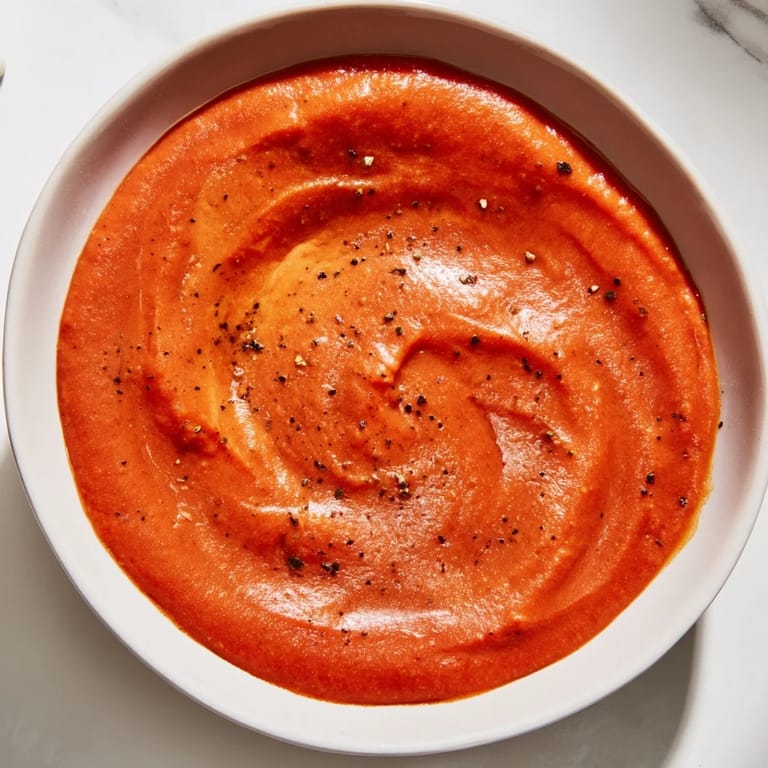
 This sauce became meaningful to me last winter when my neighbor brought a newborn home from the hospital and I showed up with a jar of this and fresh pasta, knowing she wouldn't have the energy to cook. She cried a little when she tasted it—not because it was fancy, but because someone had thought about what she actually needed instead of what looked impressive. Butter and tomato sauce became something bigger than dinner that night.
Why This Beats Other Shortcuts
Jarred sauces from the store are convenient but they often taste one-dimensional or slightly metallic, like they've been waiting in a warehouse to become something edible. The moment you add butter, something shifts—the fat carries flavor differently, rounds out the acidity, and makes the whole thing taste finished. It's the smallest change that tricks your brain into thinking you actually cooked something.
How to Make It Your Own
This recipe is a foundation, not a rulebook, and the best part is watching it transform based on what you add. Sometimes I finish mine with a pinch of red pepper flakes if I want heat, or I add an extra tablespoon of cream if I'm feeling rich. One time I had fresh basil hanging around so I tore some in at the very end just to have something green, and it made the whole thing feel intentional rather than improvised.
Storage and Next-Day Moments
This sauce lives happily in the fridge for four days in a regular container, and it actually tastes better on day two or three when the flavors have cozied up to each other. You can reheat it gently on the stove—low heat, stir occasionally—and it'll come back silky, not broken and greasy like some sauces do when they get cold and scared.
- Freeze it in ice cube trays if you want single portions for later, though it's honestly so fast to make that thawing feels like overkill.
- Layer it on eggplant, use it as a base for shakshuka, or thin it with pasta water to make it a light coating instead of a cloak.
- Save the cooking water from your pasta—that starch is your friend if the sauce ever looks too thick or separated.
 Anheften
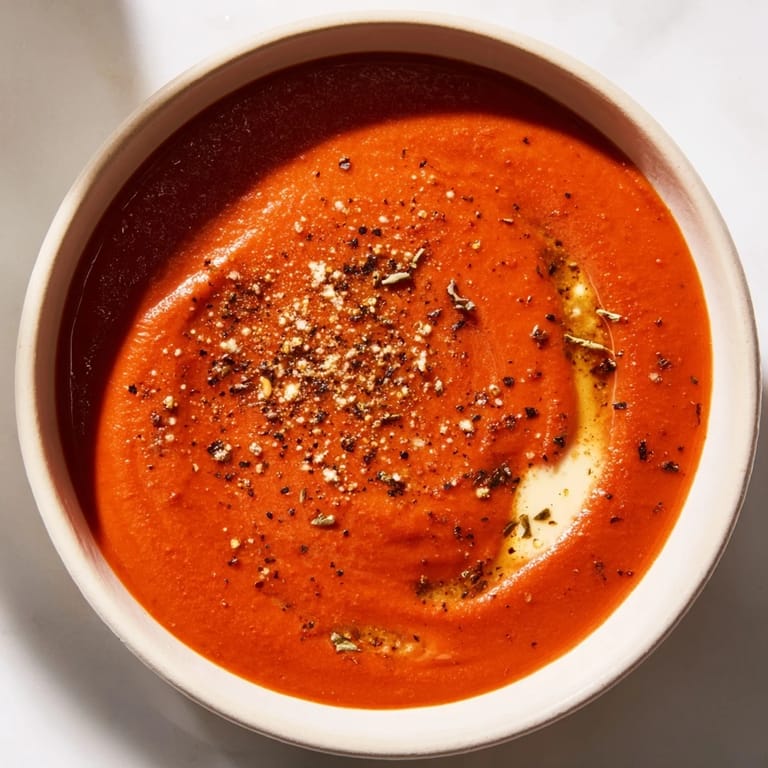
 This sauce reminds me that sometimes the most satisfying meals come from paying attention to basic ingredients rather than complexity. It's taught me that butter solves more problems than I ever expected, and that ten minutes of actual presence in the kitchen beats twenty minutes of scrolling through recipes you'll never make.
Rezept Fragen & Antworten
- → Wie lange dauert die Zubereitung der Sauce?
Die Zubereitung und das Köcheln zusammen dauern etwa 10 Minuten, was ideal für schnelle Gerichte ist.
- → Welche Zutaten sorgen für die Cremigkeit?
Butter und wahlweise Sahne sorgen für eine samtige, cremige Konsistenz und runden den Geschmack ab.
- → Kann ich die Sauce vegan machen?
Ja, durch Ersatz von Butter und Sahne durch pflanzliche Alternativen bleibt der Geschmack erhalten.
- → Wie kann der Geschmack variiert werden?
Die Zugabe von getrockneten italienischen Kräutern wie Basilikum und Oregano oder etwas Chili verleiht der Sauce individuelle Nuancen.
- → Wie lange ist die Sauce haltbar?
Reste lassen sich bis zu 4 Tage im Kühlschrank lagern und können schnell wieder erwärmt werden.