 Anheften
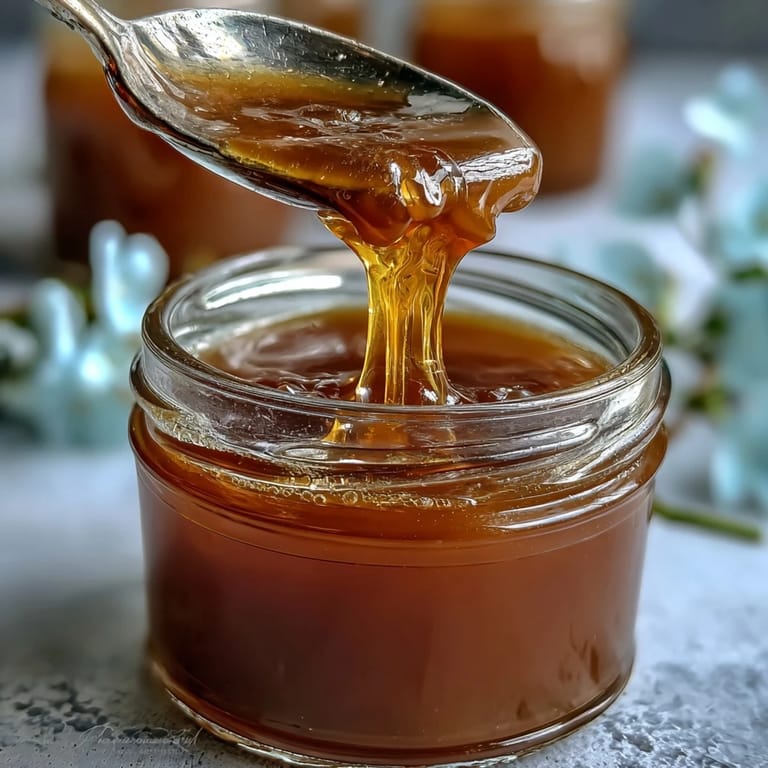
 Dandelion Jelly is a delicate, floral preserve that celebrates the fresh, fragrant blossoms of spring. Made from hand-foraged dandelion petals, this vibrant jelly captures the subtle sweetness and sunny color of the flowers. It’s an easy and rewarding recipe that results in a versatile spread perfect for brightening toast, scones, or complementing a cheese board.
Anheften The process starts by carefully preparing the dandelion petals, ensuring that only the tender yellow parts are used to avoid any bitterness. After a gentle simmer and a long steeping period, the infusion is combined with lemon juice, pectin, and sugar, then cooked to jelly-setting temperature. The result is a golden jelly with a fresh lemon finish and a hint of wildflower sweetness.
Ingredients
Tired of Takeout? 🥡
Get 10 meals you can make faster than delivery arrives. Seriously.
One email. No spam. Unsubscribe anytime.
- Dandelion Infusion
- 2 cups dandelion petals (yellow parts only, tightly packed, pesticide-free)
- 4 cups water
- Jelly Base
- 2 tablespoons lemon juice (freshly squeezed)
- 1 package (1.75 oz / 49 g) powdered fruit pectin
- 4 cups granulated sugar
Instructions
- 1. Prepare the dandelion petals by removing all green parts (sepals and stems), as they can be bitter.
- 2. Rinse petals gently to remove insects or debris.
- 3. In a saucepan, combine petals and water. Bring to a boil, then simmer for 5 minutes.
- 4. Remove from heat, cover, and let steep for 4 hours (or overnight for a stronger flavor).
- 5. Strain the liquid through a fine mesh sieve or cheesecloth, pressing gently to extract as much as possible. Discard petals. You should have about 3½–4 cups of dandelion infusion.
- 6. Pour the dandelion infusion into a large pot. Add lemon juice and pectin. Stir well and bring to a rolling boil over high heat.
- 7. Add sugar all at once, stirring constantly. Return to a rolling boil and boil hard for 1–2 minutes, or until the jelly reaches setting point (220°F / 104°C).
- 8. Remove from heat. Skim off any foam.
- 9. Ladle hot jelly into sterilized jars, leaving ¼-inch headspace. Wipe rims, seal with lids, and process in a boiling water bath for 10 minutes.
- 10. Let jars cool undisturbed for 12 hours. Check seals before storing.
Zusatztipps für die Zubereitung
Remove all green parts thoroughly to avoid bitterness. Letting the petals steep for longer intensifies the flavor. Use freshly squeezed lemon juice for the best color and taste. Be sure to boil the jelly mixture hard after adding sugar to reach the setting point properly.
Varianten und Anpassungen
For a bright citrus twist, add orange zest along with the lemon juice. To reduce sweetness, slightly cut back on sugar and use a low-sugar pectin. Always forage dandelions only from clean, pesticide-free areas to ensure safety and freshness.
Serviervorschläge
This jelly shines spread on warm toast or fresh scones. It can also be drizzled over pancakes or used as a glaze on cakes for a lovely floral hint. Pair with creamy cheeses for a sophisticated snack or appetizer.
 Anheften
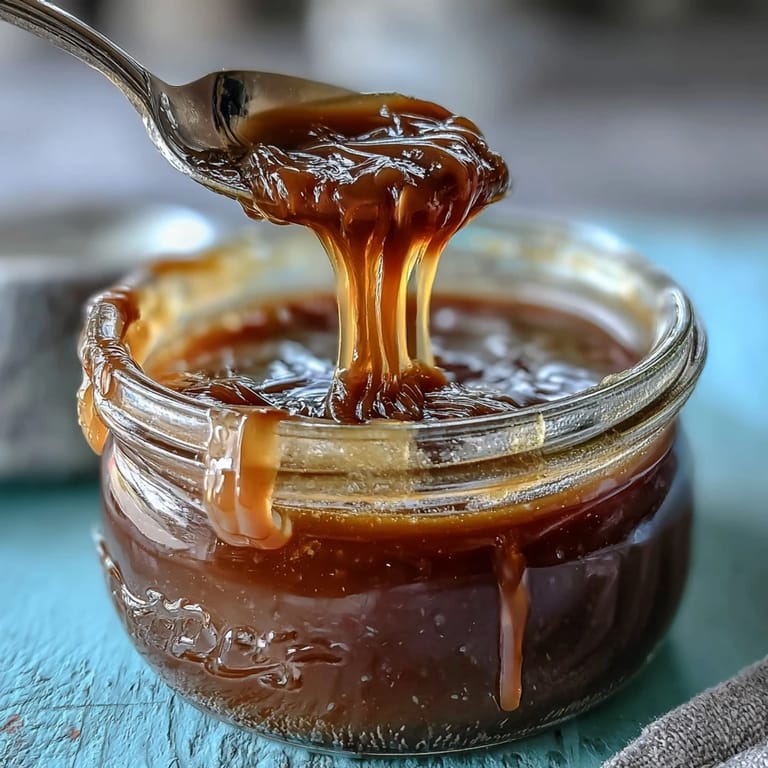
 With this simple recipe, you’ll create a charming jelly that captures the delicate spirit of spring’s dandelion blooms. Whether given as gifts or enjoyed at home, it’s a delicious way to celebrate the season’s wild flavors and homemade goodness.
Rezept Fragen & Antworten
- → Wie entferne ich Bitterkeit aus den Löwenzahnblüten?
Die bitteren Bestandteile sind die grünen Kelchblätter und Stiele; diese sollten vor der Weiterverarbeitung sorgfältig entfernt werden.
- → Wie lange sollte die Blütenmischung ziehen?
Nach kurzem Aufkochen empfiehlt sich ein Ziehenlassen von etwa 4 Stunden oder länger, um den vollen Geschmack zu extrahieren.
- → Welche Funktion hat der Zitronensaft in der Zubereitung?
Zitronensaft sorgt für die richtige Säure, die nötig ist, damit die Gelierung mit Pektin gut gelingt und das Aroma betont wird.
- → Kann der Gelierzucker auch vegan und glutenfrei sein?
Ja, die Zutaten sind frei von tierischen Produkten und Gluten, wodurch der Aufstrich für viele Ernährungsweisen geeignet ist.
- → Wie lagere ich den fertigen Gelierzucker am besten?
In sterilisierten, luftdicht verschlossenen Gläsern und an einem kühlen, dunklen Ort aufbewahren, um die Haltbarkeit zu sichern.