 Anheften
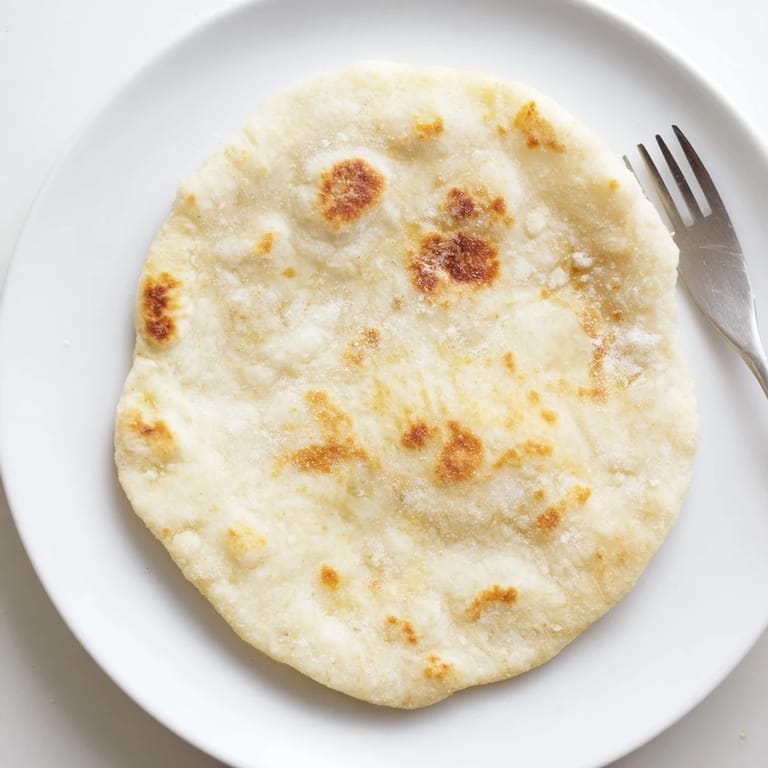
 The first time I made these flatbreads, I was looking for something quick that wouldn't require yeast and all the waiting that comes with it. I had cottage cheese sitting in my fridge, Greek yogurt in the drawer, and a sudden craving for bread warm enough to wrap around leftovers. Ten minutes later, I was standing at my stove watching golden spots appear on the first batch, wondering why I'd never thought to combine these three simple things before. The kitchen filled with this toasted, slightly tangy smell that made everyone come running.
I made a batch of these for my neighbor who'd just moved in, still surrounded by cardboard boxes and no real kitchen setup. She ate three of them standing in her kitchen doorway, dipping them in hummus straight from the container, and asked for the recipe before I'd even finished the sentence about how easy they were. That's when I knew I'd stumbled onto something worth keeping.
Ingredients
- Flour: Use all-purpose flour unless you want to experiment—whole wheat will make them denser and a bit more nutty, which is its own kind of good.
- Greek yogurt: The tanginess matters here; it's what keeps the dough tender and gives the finished bread a subtle flavor that makes people ask what your secret is.
- Cottage cheese: This is where the magic lives—it adds moisture and a delicate crumb that you won't get from just yogurt alone.
- Baking powder: Just enough to help them puff slightly as they cook; too much and they'll taste like biscuits instead of bread.
- Salt: Don't skip it or reduce it thinking you're being healthy; it's the thing that actually makes the flavors sing.
- Olive oil or melted butter: For the pan—either works, but I find butter gives them a slightly richer color if you're not in a hurry.
Tired of Takeout? 🥡
Get 10 meals you can make faster than delivery arrives. Seriously.
One email. No spam. Unsubscribe anytime.
Instructions
- Combine the dry base:
- Mix your flour, baking powder, and salt in a bowl large enough to work in. This takes about thirty seconds and there's no way to mess it up.
- Add the dairy and start bringing it together:
- Spoon in your Greek yogurt and cottage cheese, then mix with your hands or a spoon until everything is shaggy and barely holding together. It will look chaotic at this point, which is exactly right.
- Knead gently on your work surface:
- Flour your counter lightly and knead for just two to three minutes until the dough smooths out and stops sticking to your hands. You're not making bread dough here; you want something soft and slightly tender, not tough.
- Divide into portions:
- Cut the dough into six equal pieces and roll each one into a ball—this keeps them consistent so they cook evenly.
- Roll out flat:
- Working with one ball at a time, roll it out to about quarter-inch thickness, dusting with flour as you go if it starts to stick. Don't overthink the shape; rustic is better than perfect.
- Get your pan ready:
- Heat a nonstick skillet or cast iron pan over medium heat and brush it lightly with oil or butter. You want it hot enough that the bread sizzles when it hits the pan but not so hot that it browns before the inside cooks.
- Cook until golden:
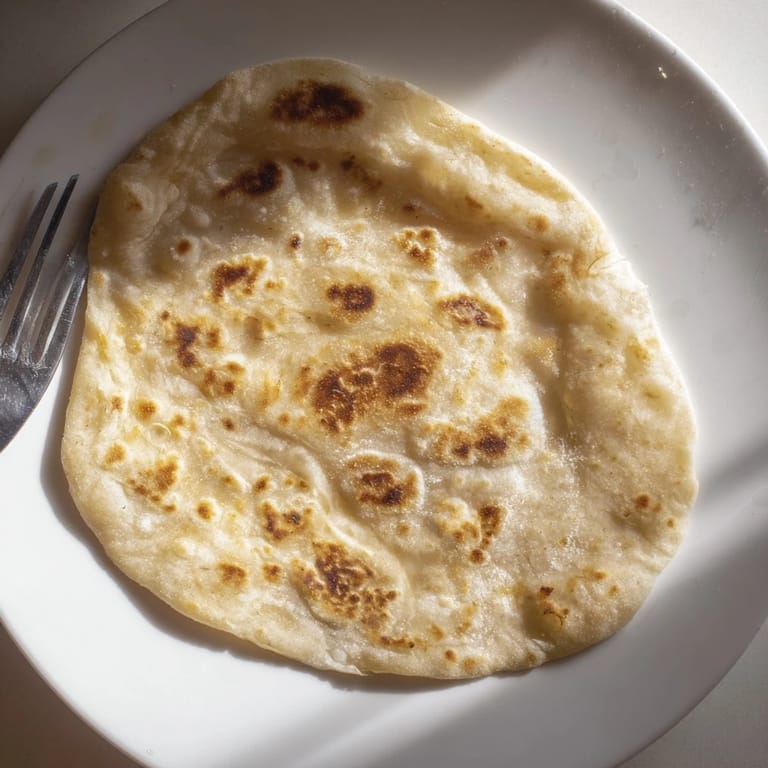
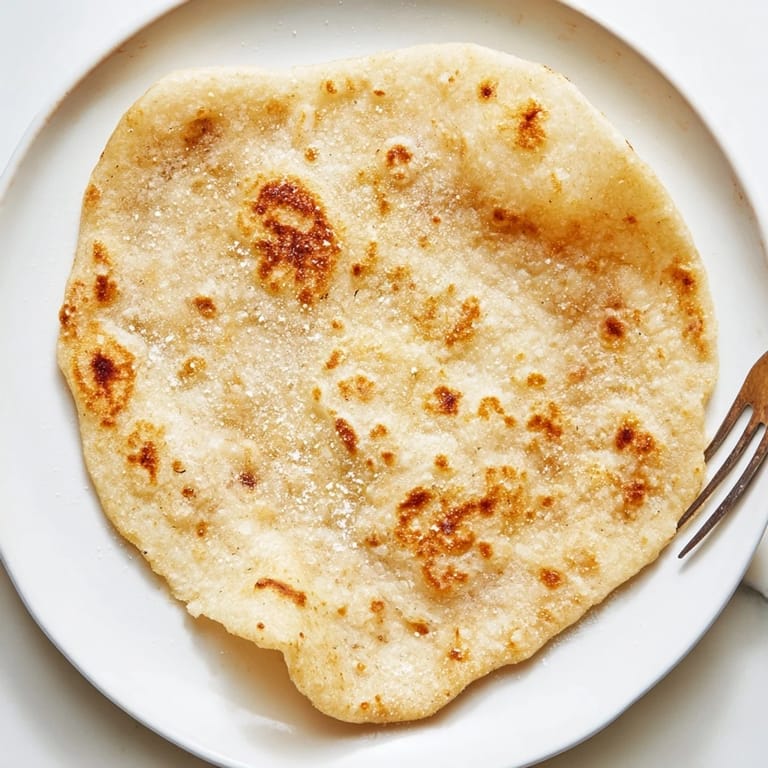
- Place one or two flatbreads in the pan and cook for two to three minutes on each side until you see golden spots and the bread feels set when you press it gently. The second side always seems to cook faster than the first, so watch it.
- Keep them warm:
- Transfer each batch to a plate and cover with a clean kitchen towel as you go. The steam from the warm bread will keep them soft and pliable for wrapping or dipping.
 Anheften
 There was a morning when I made these for a group of friends coming over for soup, and one of them—someone I'd known for years but never cooked for before—took a bite and actually closed their eyes. That small moment changed something about how I think about cooking for people; it's not always about impressive techniques or fancy ingredients, sometimes it's just about warm bread that tastes like someone cared.
Why These Flatbreads Work
The beauty of using both yogurt and cottage cheese is that they do different jobs in the same dough. The yogurt brings acidity and moisture, which helps develop a tender crumb, while the cottage cheese adds little pockets of richness that make every bite feel more substantial. Together they create a dough that's forgiving to work with and produces bread that's chewy outside and soft inside, which is honestly the ideal ratio for flatbreads.
Storage and Reheating
I've kept these in an airtight container for up to three days, and they reheat beautifully in a dry pan over low heat for about a minute per side. They lose a tiny bit of softness over time, which is just the nature of bread, but they're still good enough to eat straight from the container the next morning if you're in a hurry. Some people like to wrap them in foil and warm them in a low oven instead, which works just fine if you prefer a gentler approach.
Ways to Change Them
Once you've made these plain a few times, start thinking about what you like to eat with bread and build from there. I've mixed in fresh herbs—dill and parsley are my go-to combination—and also tried minced garlic stirred into the dough before rolling. Nigella seeds or sesame seeds scattered on top before cooking add a subtle crunch and make them feel a little more special. The dough is flexible enough that it welcomes these changes without losing what makes it good in the first place.
- Fresh herbs like parsley, dill, or chives mixed into the dough will add flavor without changing the texture.
- A sprinkle of sesame seeds or nigella seeds on top before cooking makes them look finished and adds a gentle crunch.
- If you want something richer, brush them with melted butter mixed with garlic right after they come off the pan.
 Anheften
 These flatbreads have become my answer to almost every situation where bread would be nice but time is short. Warm them with dinner, wrap them around leftovers, dip them in soup, or just eat them straight from the pan while they're still steaming.
Rezept Fragen & Antworten
- → Wie wird der Teig für die Fladenbrote vorbereitet?
Mehl, Backpulver und Salz werden in einer Schüssel vermischt, dann griechischer Joghurt und Hüttenkäse hinzugefügt und zu einem glatten Teig verknetet.
- → Wie dick sollten die Fladenbrote ausgerollt werden?
Die Fladen werden etwa 5–6 mm dick ausgerollt, um eine weiche, aber stabile Struktur zu erreichen.
- → Womit werden die Fladenbrote in der Pfanne gebraten?
Die Pfanne wird leicht mit Olivenöl oder geschmolzener Butter bepinselt, um eine goldbraune Kruste zu erzielen.
- → Kann man Kräuter in den Teig geben?
Ja, frische Kräuter wie Petersilie, Schnittlauch oder Dill können für mehr Aroma fein gehackt in den Teig gegeben werden.
- → Wie bewahrt man die Fladenbrote am besten auf?
Die Fladenbrote lassen sich luftdicht verpackt aufbewahren und bei Bedarf in einer trockenen Pfanne erneut erwärmen.
- → Sind diese Fladenbrote vegetarisch geeignet?
Ja, sie enthalten weder Fleisch noch Fisch und sind daher ideal für eine vegetarische Ernährung.